Free · for Riftbound: League of Legends
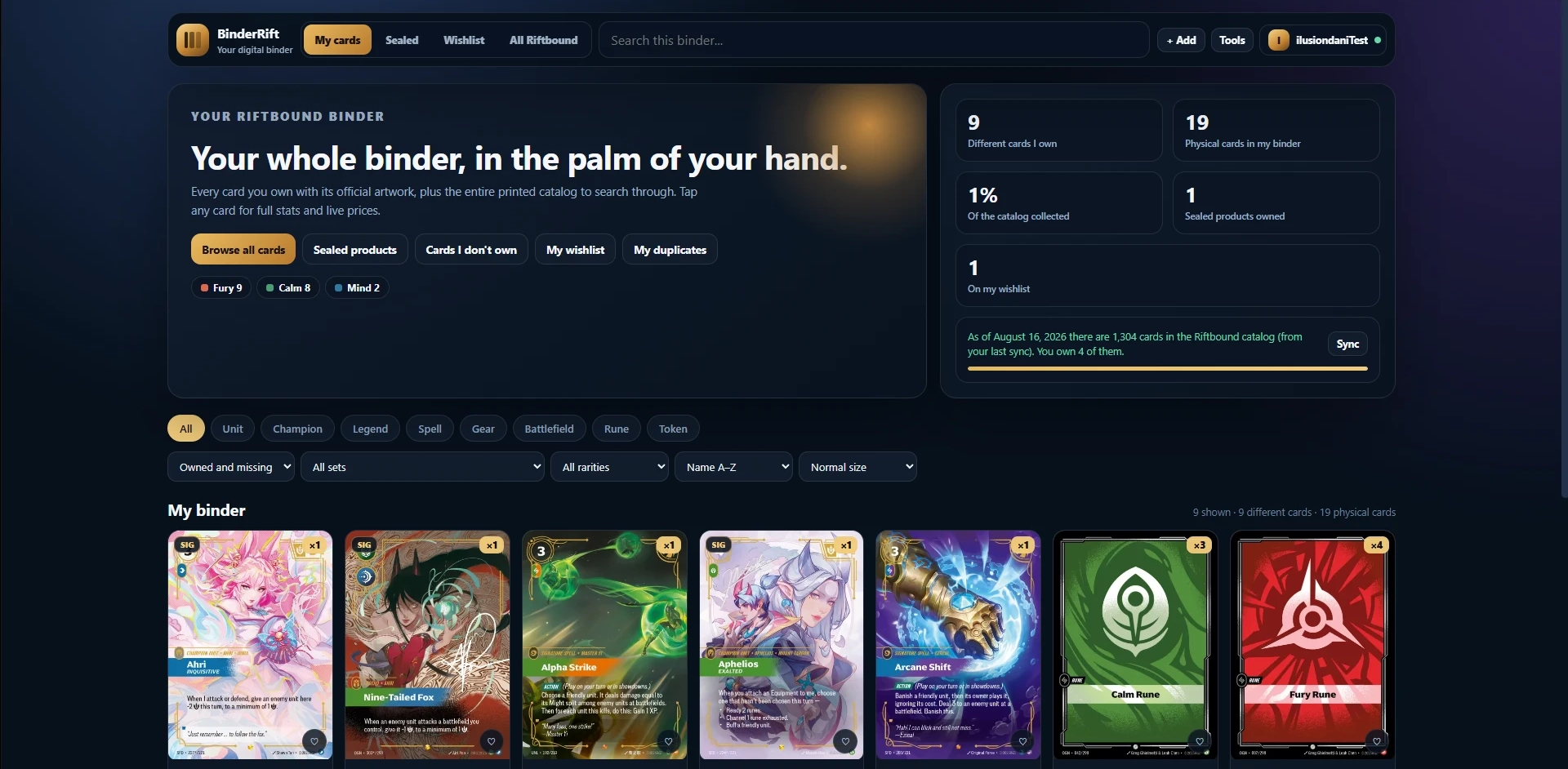
A binder is the best way to hold a collection and the worst way to know one. It can't tell you whether you've already got three of that card, what you're still short of, or what the whole shelf is worth. That's what I built RiftPocket for. Every card you own, counted and searchable, sat in your pocket next to the real thing.
New here? That takes about a minute. Already have an account? Sign in and your binder is exactly how you left it.
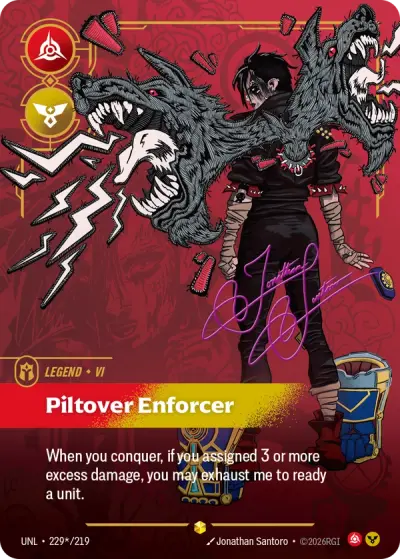
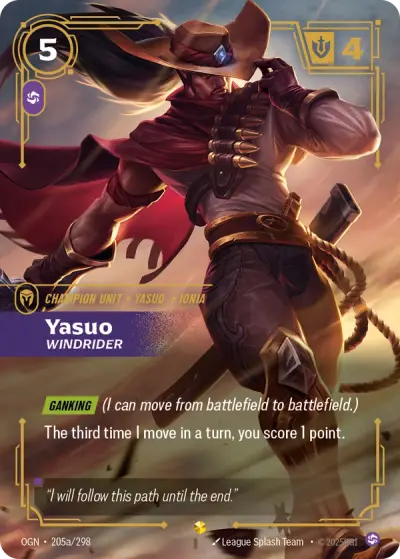
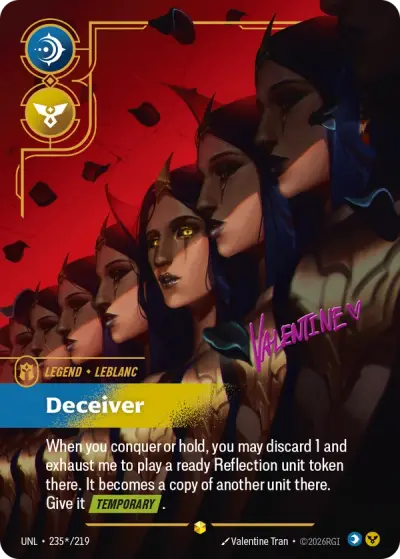
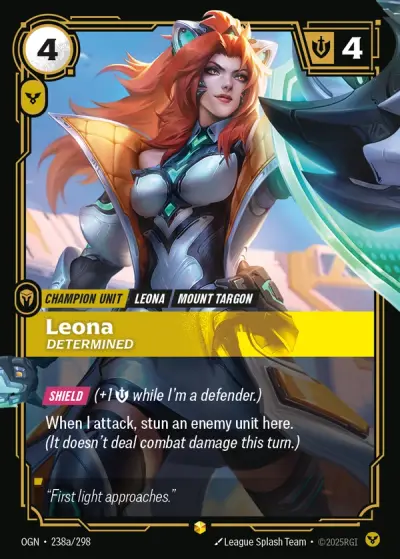
Every printing, with the real art


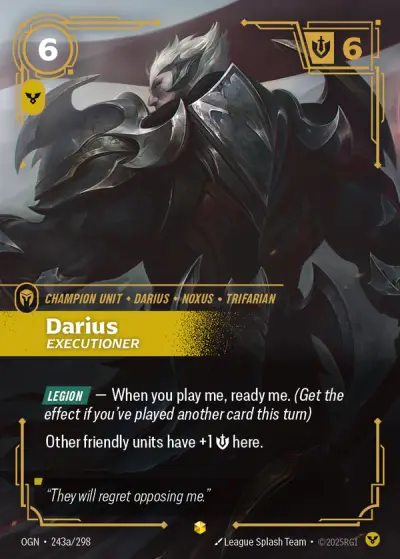
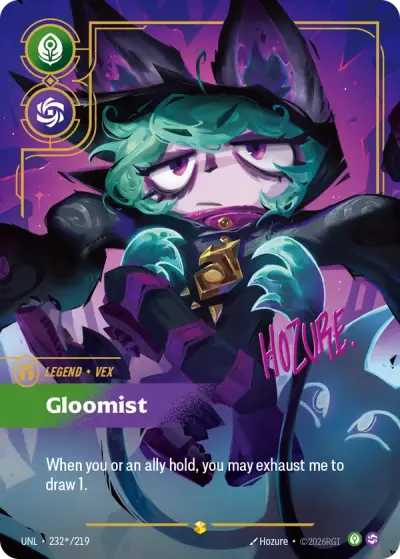
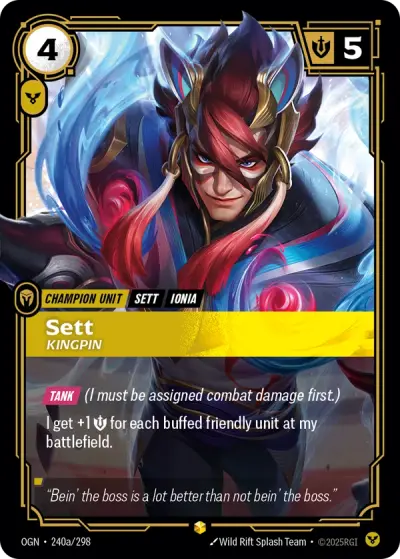
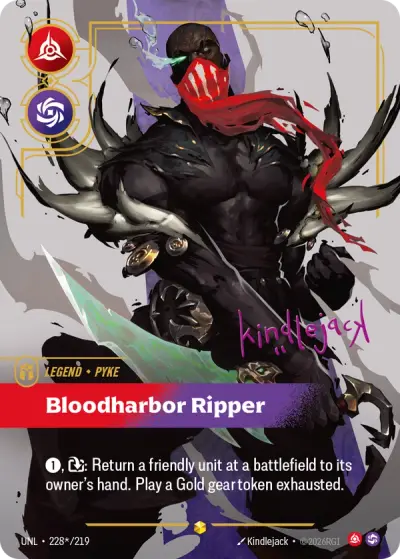
Pulled live from the same catalog the app uses. Every variant is tracked separately, so a signature Vi and a normal Vi don't get muddled together.
Free, and staying that way
Riftbound is the first TCG I've properly fallen for, and I got tired of standing in a card shop trying to remember what was already sat in my binder at home. So I built this. There's no paid tier, no card limit, no adverts, and nothing held back for people who chip in. Everyone gets the whole thing.
It does cost real money to keep running though, and a fair few evenings every time a new set drops. If RiftPocket has saved you from buying the same card twice, a coffee goes straight back into keeping it online. Totally optional. Supporters get no special treatment, because a binder you had to pay for isn't the thing I set out to build.
Not a subscription. No account needed. Nothing gets unlocked by it.
Why bother
None of these are reasons to stop sleeving cards. They're the reasons collectors end up with a spreadsheet, and why a spreadsheet isn't good enough either.
Now: you're at the counter, the card is $12, and you're fairly sure you've already got two at home. Fairly sure.
After: search the name, see ×2, put it back. Your whole binder is two taps away.
Now: working out what's left in a set means paging through plastic with a checklist you printed months ago.
After: one filter shows every card you don't own, narrowed by set, rarity, domain or type.
Now: "somewhere between a few hundred and, honestly, I'd rather not think about it."
After: every card and box links to its exact TCGplayer page, and sealed product carries a recorded market price.
Now: your spares live in a box you never sort, so they never get traded and you buy the singles anyway.
After: one tap lists everything you own two or more of. That's your trade binder, done for you.
Now: proving what you own means hauling four kilos of cardboard to locals, or photographing pages for a trade thread.
After: switch on a public page and send a link. Read only, off by default, and your private notes never travel with it.
Now: a flood, a fire, a theft or a house move, and there's no record of what you had. Try explaining that to an insurer.
After: your collection lives on your account, and exports to a dated, itemised file whenever you want one.
What's inside
No tiers, no upgrade prompt, no limit on how much you own. This is the whole thing.
Every printing of every Riftbound card with Riot's own artwork. Origins, Proving Grounds, Spiritforged, Unleashed, Vendetta, the promo sets and every token. It downloads once, then it's cached and searching is instant.
Tap + and − to record how many copies you've got. Running totals for different cards, physical copies and how much of the catalog you've collected, plus a duplicates view for anything you own twice over.
Heart any card or sealed box you want. It collects on one list with a link to that exact product page on TCGplayer, plus a Cardmarket search. Not a vague keyword result.
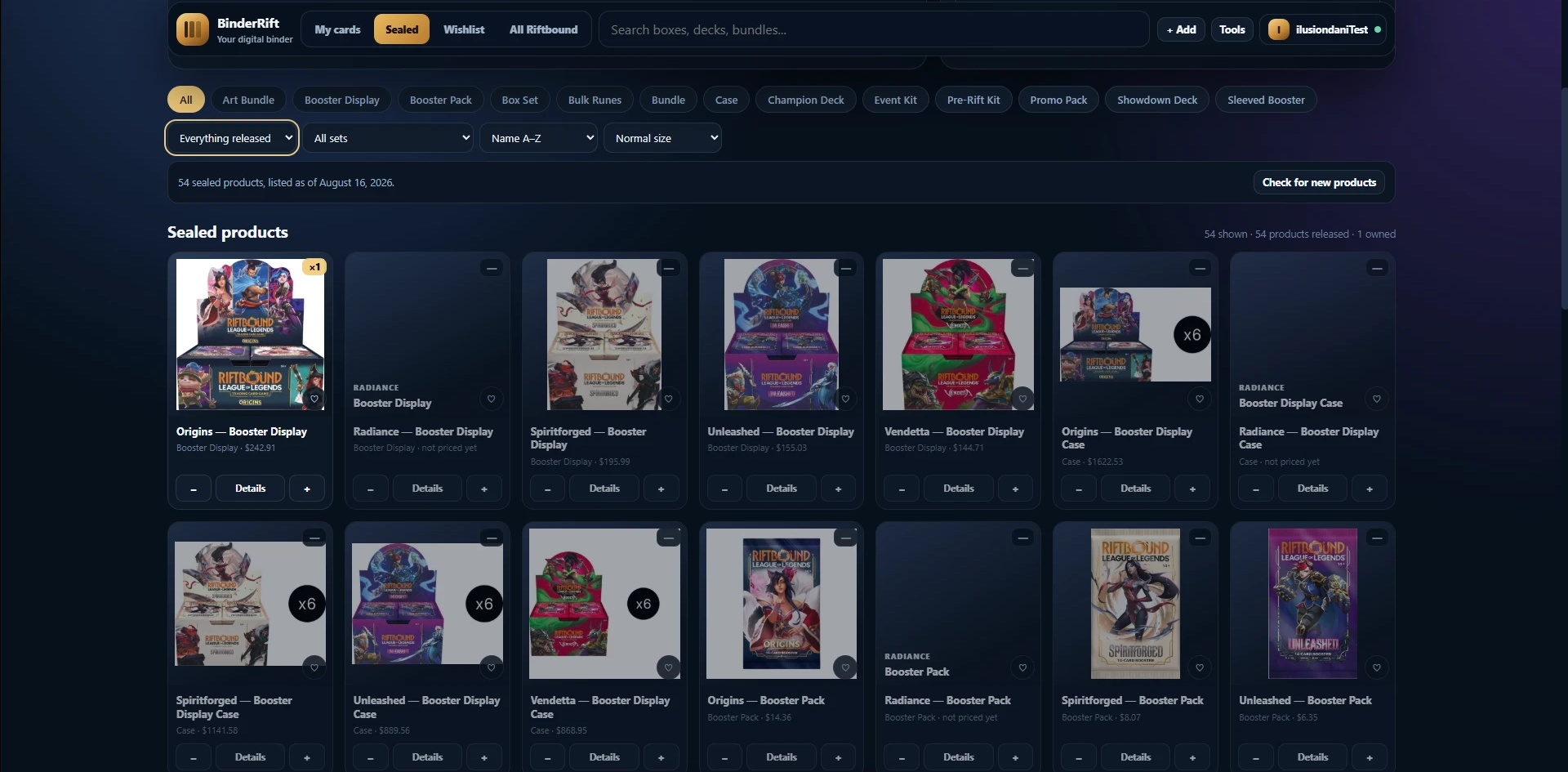
Boxes, displays, cases, decks, bundles, promo packs and prerelease kits, tracked exactly like singles, with the real product photo, a market price and a note on what's actually inside each kind of box.
Point the search box at your cards, your sealed shelf, your wishlist or the entire catalog. Filter by set, rarity, type and domain, sort seven ways, or switch to a compact grid to scan artwork fast.
Energy, might and power, type, rarity, domains, collector number, artist, tags, rules text and flavour text. Plus every other printing of the same card, one tap away.
Search the catalog, photograph a card with your phone, paste a whole list with quantities, or type in something the database hasn't published yet. Mix them however you like.
Log a card on your phone in a shop and it's on your laptop before you get home. No "export from this browser" nonsense, and clearing your site data costs you nothing.
Every row is tied to your account and enforced by the database itself. Notes stay private even on a shared page, and one button exports the lot or empties it.
Sealed product
Most trackers stop at singles. Sealed is where a lot of a collection's value actually sits, so it gets the same treatment: a photo, a count, a note and a price.
Sets reach the sealed shelf before their cards reach the catalog, so a new display or box can go into your binder the week it's announced. Retailer deck displays get folded away, because a box of six identical decks is a duplicate rather than a different product.
Recorded TCGplayer market prices. Every product links to its live listing.
How it works
This is exactly what you'll see after signing up. The app walks you through it.
An email address and a password, or a magic link if you'd rather not have another password to remember. Your empty binder opens straight away.
Every printed card downloads once with its artwork, then it's cached. Worth knowing: syncing fills the card list, not your collection. Your own counts stay at 0 until you add cards yourself.
Search, photograph, paste a list or import a backup. The counters, the domain breakdown and your share of the catalog all move as you go.
Questions
Yes, and there isn't one. No paid tier, no card limit, no adverts, no supporter-only features. Two things keep it running. The links to TCGplayer and Cardmarket that the app already needed may carry a referral code, so a purchase can earn a small commission at no extra cost to you, and donations from people who find it useful. Neither changes anything you see or pay. Details in the privacy policy.
Eventually, yes. Nothing can see through cardboard. But there are four ways to do it and all of them beat a spreadsheet: search and tap, photographing cards, pasting a list with quantities like Fury Rune x8, or importing a backup. Most people do a page at a time.
It downloads the Riftbound catalog, meaning every card that exists, with artwork, into your browser so you can search it instantly. It does not add anything to your collection. Your counts stay at 0 until you add the cards you own, and the app says so on the first run screen.
It turns up on its own. The app re-syncs in the background when your copy of the catalog is a day old, so new cards appear without you doing anything. If you're impatient, the Sync button pulls them straight away and tells you how many are new. Sealed product works the same way through "check for new products".
Nothing leaves your device. RiftPocket crops to the card's name and collector number, reads them in your browser, matches against the catalog cached there, and throws the image away when you close the tab. No photo is ever uploaded.
Only if you switch sharing on and hand someone the link, and it's off when you sign up. Even then it's read only, and your per-card notes and price key are never included. Shared binders are served by a separate database function that can't return those columns at all.
The public Riftcodex card database, fetched by your browser and cached there. Artwork comes from Riot's own CDN at a small size so a full grid loads in seconds. Cards that aren't in the main database yet fall back to the public card archive.
"Forgot password" on the sign in screen emails you a reset link. You can also sign in with a magic link and skip passwords altogether.
No. It's an unofficial fan made tool, not produced by, endorsed by or affiliated with Riot Games. Riftbound and League of Legends are trademarks of Riot Games, Inc.
Come and say hello
I've just started one. Right now it's mostly me, so if you turn up early you get to shape what it turns into. Come and post what you pulled, ask what a card is worth, tell me the scanner misread something, or argue about which champion deck is actually good.
It's also the fastest way to reach me. I'm in there most evenings, and bug reports get fixed quicker when I can ask you a follow-up question.
Get in touch
This goes straight to my inbox and I read every one. Bug reports and "the scanner misread this card" messages are genuinely welcome. They're how this gets better.
Create an account, let the catalog load once, and start tapping + on the cards in front of you.
By creating an account you agree that your collection data is stored on this service so it can follow you between devices. You can export or delete all of it at any time.